The People Who Fix Good Things
By: Small Certainty
The people who fix good things begin where the product description ends. They meet the shoe after rain has found the seam, the watch after its owner has stopped pretending the lost minutes are charming and the bicycle after a winter of salt, potholes and insufficient attention. Their work is not restoration in the museum sense. It is the more useful art of returning an object to ordinary life.
Repair requires a particular form of confidence. The first act is diagnosis: deciding what failed, what can wait and whether the object deserves more labour. A good repairer is not sentimental about every possession, but neither are they hypnotised by replacement. They understand materials after wear has made them honest. This knowledge is practical, cumulative and difficult to package, which may explain why it remains more valuable than its shopfront often suggests.
THE COBBLER’S JUDGEMENT
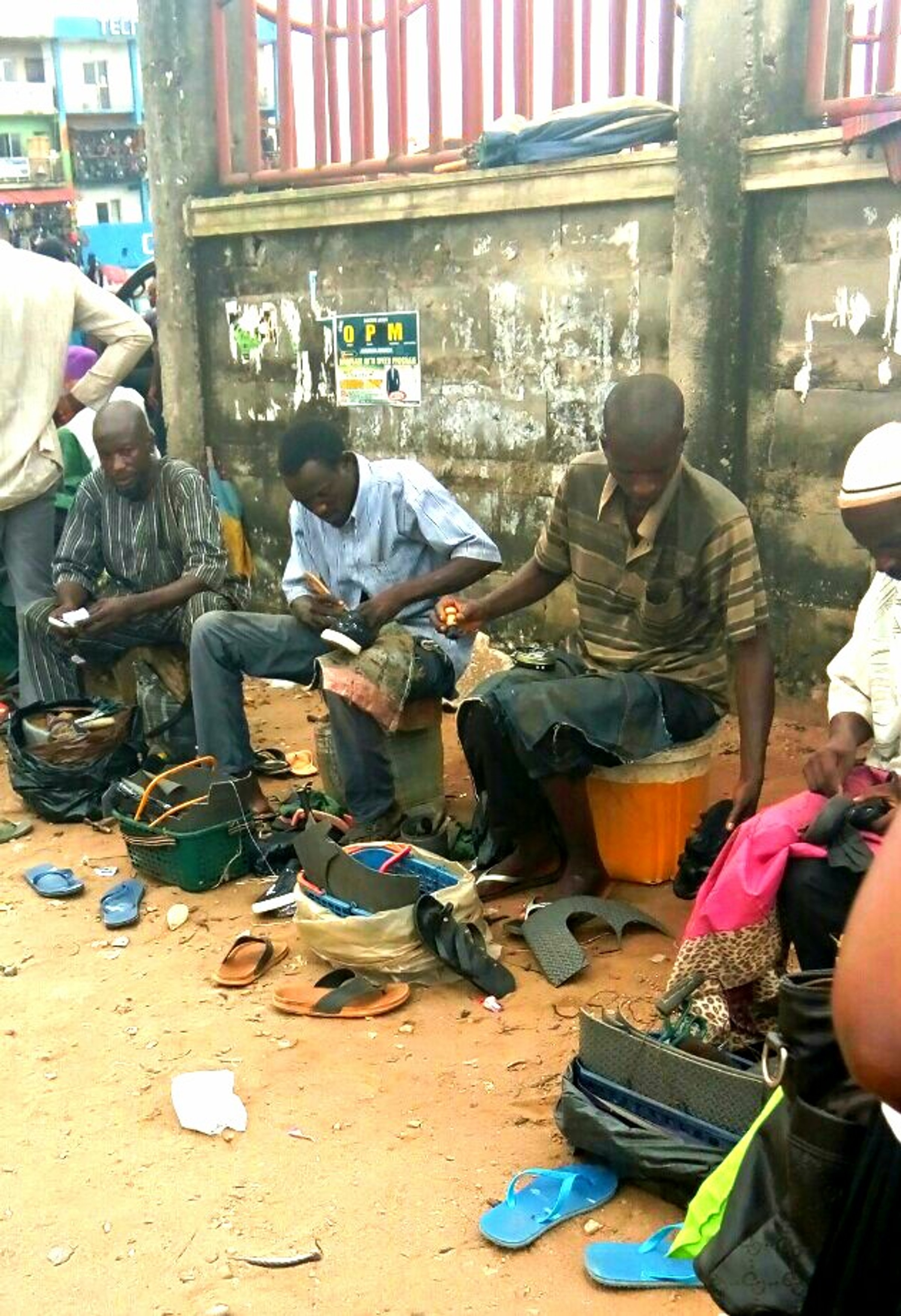
A cobbler reads a shoe from the ground upward. The sole records gait, weather and neglect; the upper reveals whether the leather was worth caring for in the first place. The useful intervention might be a new heel, a stitched seam or a quiet refusal to perform an expensive rescue on a shoe built to fail. Good judgement saves both object and owner from needless theatre.
The best result does not look newly manufactured. It looks ready. The polish is restored, the structure is sound and the familiar crease remains because it belongs to the foot as much as the shoe. Repair preserves evidence of use while removing the part that has become an impediment. It is a modest distinction, but one that separates maintenance from disguise.
TIME, TENSION AND TOLERANCES
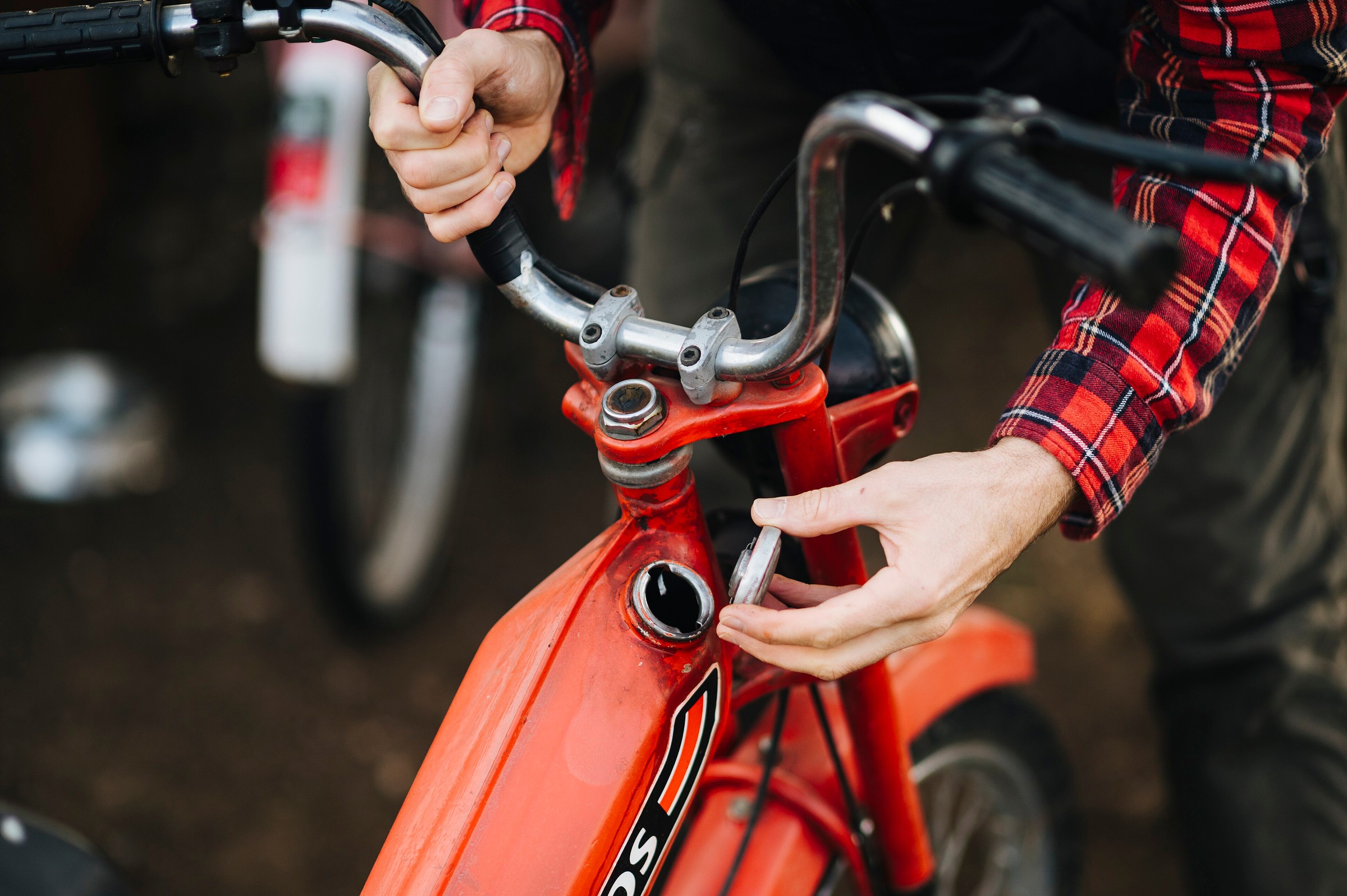
A watch repairer works at a scale where a speck of dust can become an event. A bicycle mechanic works with larger forces — cable tension, bearing play, wheels that must remain true under weight — but the disciplines share an ethic. Both make tiny adjustments whose success is measured by the disappearance of friction. The machine returns to the wrist or the street and begins to feel inevitable again.
Owners often arrive describing a symptom rather than a fault: it loses time, it clicks uphill, it feels wrong when turning left. Translating this imprecise account into a precise correction is part of the craft. The repairer listens to the person, then listens again to the object. The tools matter, but so does the practiced ability to separate a harmless noise from the beginning of a failure.
A CITY’S SECOND LAYER
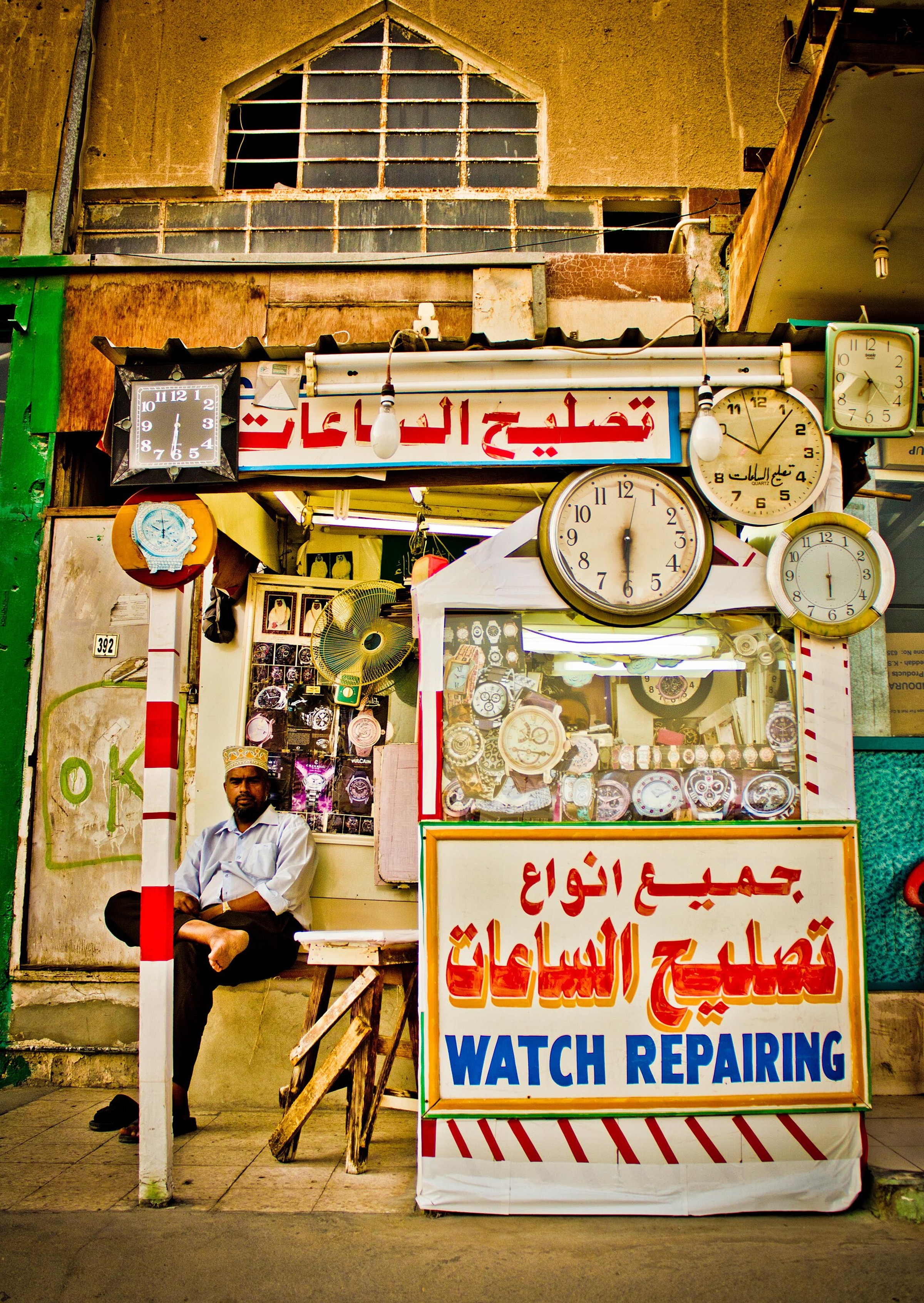
Repair shops form a second layer of urban infrastructure. They are smaller than the businesses that sell new things and more consequential than their square footage suggests. A neighbourhood cobbler, tailor, bicycle mechanic or electronics technician gives residents an alternative to the bin and gives good objects a longer economic life. The service is environmental almost by accident; its immediate promise is simply that Tuesday can continue as planned.
These places deserve attention, but not romantic preservation as decorative relics. They need customers, workable rents, apprentices and objects designed with enough material honesty to be opened and repaired. The future of repair will not be secured by admiring old workbenches. It will be secured when manufacturers, cities and owners once again treat maintenance as a normal part of ownership — and when the person who can fix the thing is still close enough to visit before work.